
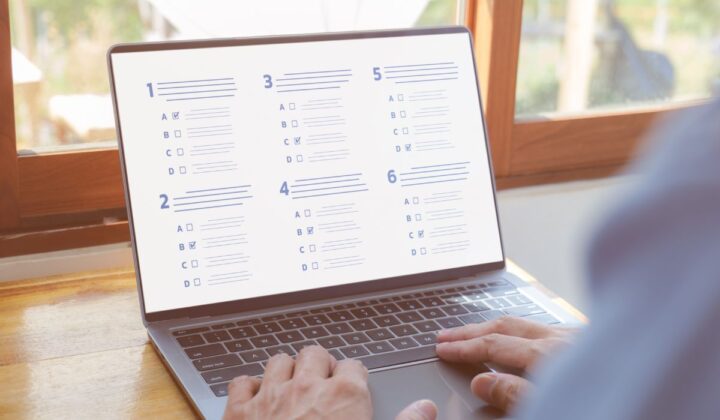
Preparing for NAPLAN can feel challenging for both children and parents. Many families want to know the best way to build skills without creating extra stress. A NAPLAN Year 3 Practice Test gives children a chance to understand the test format, improve confidence, and become familiar with different question types before the real assessment. Regular practice also helps parents identify strengths and areas that need more attention. With the right support and steady preparation, children can approach NAPLAN with confidence and perform at their best while developing skills they will use throughout their school years.
Why Early Preparation Matters
Year 3 is often the first-time children sit on a national assessment. It is natural for them to feel nervous because they do not know what to expect. Good preparation removes much of that uncertainty. When children become familiar with the style of questions, they can focus on answering instead of worrying about the test itself.
Preparation is not about memorizing answers. It is about building confidence through regular practice. Children who practice in a calm environment often feel more relaxed on test day. They also learn how to manage their time and understand instructions more clearly.
Parents play an important role in this process. Encouragement, patience, and a regular study routine can make preparation enjoyable instead of stressful.
Understanding the Year 3 NAPLAN Format
The assessment measures essential skills that students develop during their early years at school. These skills support learning across every subject and help teachers understand student progress.
The test includes four key learning areas:
- Reading
- Writing
- Language Conventions
- Numeracy
Each section measures different abilities. Reading checks comprehension and understanding. Writing measures communication skills. Language Conventions focus on grammar, punctuation, and spelling. Numeracy assesses mathematical thinking and problem-solving.
Benefits of Year 3 NAPLAN Practice
Regular Year 3 NAPLAN Practice helps children become familiar with the test structure before the actual assessment. Instead of feeling surprised by the format, they know what to expect and can answer questions with greater confidence.
Practice also develops useful learning habits. Children improve their concentration, become better at managing time, and learn to read questions more carefully. These small improvements often lead to stronger performance in school as well.
Parents also benefit from practice sessions because they can see where extra support is needed. This allows learning to become more focused instead of guessing which topics require attention.
Building Strong Reading Skills
Reading is more than saying words correctly. Children must understand ideas, identify important information, and draw conclusions from different texts.
The best way to improve reading is through regular exposure to books, stories, and informative passages. Asking simple questions after reading encourages children to think more deeply about what they have learned.
Daily reading, even for twenty minutes, can make a noticeable difference over time. Children who enjoy reading often become more confident across many school subjects.
Improving Writing Confidence
Writing can seem difficult because children must organise their ideas while paying attention to grammar, punctuation, and spelling. This becomes much easier with regular practice.
Encourage your child to write about familiar topics. Short stories, personal experiences, and simple descriptions all help strengthen writing skills. After writing, discuss ways to improve rather than focusing only on mistakes.
Positive feedback builds confidence and encourages children to keep practising.
Helping Children Master Numeracy
Numeracy involves much more than basic calculations. Students must apply mathematical thinking to solve everyday problems.
Children benefit from practicing addition, subtraction, multiplication, division, measurement, fractions, and simple problem-solving activities. Real-life examples such as shopping, cooking, or measuring objects at home make learning more interesting.
Short practice sessions several times each week are usually more effective than long study sessions completed all at once.
Simple Ways Parents Can Help
Parents do not need to become teachers to support learning. Small daily habits often produce the biggest improvements.
- Create a regular study routine.
- Celebrate effort as well as progress.
- Encourage reading every day.
- Allow short breaks during study sessions.
- Keep practice positive and relaxed.
Children respond well when learning feels encouraging rather than stressful.
Common Mistakes to Avoid
Many families prepare with good intentions but sometimes make simple mistakes that reduce learning effectiveness.
- Waiting until the last few weeks before the assessment.
- Focusing only on one subject.
- Comparing children with others.
- Studying for long periods without breaks.
- Treating mistakes as failures instead of learning opportunities.
Avoiding these habits creates a healthier learning environment and helps children stay motivated throughout their preparation.

Why Online Practice Makes Learning Easier
Technology has made learning more flexible than ever. Online practice allows children to study whenever it suits their schedule. They can complete activities at home, receive quick results, and continue improving at their own pace.
Online learning also helps children become comfortable using digital platforms, which reflects the way modern assessments are delivered. Familiarity with the online environment reduces anxiety and allows students to focus on answering questions.
Many parents appreciate the convenience because they can monitor progress without creating complicated study plans. Consistent online practice supports gradual improvement while fitting into busy family routines.
How Year 3 NAPLAN Practice Builds Confidence
Confidence develops through experience. Year 3 NAPLAN Practice gives children repeated opportunities to answer realistic questions before the real assessment. As they complete more activities, they become familiar with the question style, understand instructions more easily, and improve their ability to manage time.
Children also learn that making mistakes is part of learning. Every practice session provides another chance to improve. This steady progress reduces fear and builds a positive attitude toward assessment.
Parents often notice greater confidence not only during NAPLAN preparation but also in everyday classroom learning.
Help Your Child Prepare with Test Champs
Choosing the right learning platform can make a real difference to your child’s confidence and progress. At Test Champs, we provide realistic online practice, detailed performance reports, and teacher marked writing designed to support every learner. Our resources help children prepare with confidence while giving parents clear insights into their progress. If you want your child to succeed with a NAPLAN Year 3 Practice Test, explore our Year 3 preparation packages and start building stronger skills today with Test Champs. Small, consistent practice today can lead to greater confidence and better results tomorrow.